
Freight document automation
Extracts data from bills of lading, airway bills, commercial invoices and packing lists and creates or updates the shipment record.

Automate the paperwork behind every shipment: bills of lading, commercial invoices, customs data, proof of delivery, carrier invoices and purchase orders. Your team only reviews the mismatches.
Every shipment creates a stack of paper. A booking request arrives by email. The shipper sends a commercial invoice and packing list as PDFs. The carrier issues a bill of lading, the broker prepares the customs declaration, the driver sends proof of delivery as a phone photo, and the carrier's invoice arrives weeks later with surcharges nobody expected. Logistics automation with AI reads all of it, pulls out the data that matters and puts it into your TMS, ERP and accounting system without anyone retyping it.
Template-based tools broke whenever a supplier changed their invoice layout. Language and vision models cope with that. They read scanned bills of lading, multi-page invoices and handwritten delivery notes, and pick out fields like consignee, HS code, container number, gross weight and charges. Validation rules then compare what was extracted with the booking, the purchase order and the rate confirmation. A weight discrepancy or an accessorial that was never agreed goes to a person, with the source document shown next to the extracted data.
We apply the same approach across supply chain automation. Purchase orders that arrive by email or WhatsApp become sales orders in your ERP. Procurement automation collects supplier quotes and puts them side by side. Logistics invoice processing matches carrier bills to loads before payment. Milestone alerts tell your team when a shipment is about to miss a cut-off, instead of after the customer complains. It's the document-analysis approach we built for Vikk, applied to shipping paperwork.
Every automated action is logged with its inputs and outputs. You decide what posts automatically and what waits for approval, and you can tighten or relax those rules as confidence grows.
Extracts data from bills of lading, airway bills, commercial invoices and packing lists and creates or updates the shipment record.
Pulls descriptions, quantities, values and HS codes from shipper documents into a draft declaration for your broker to review.
Matches carrier invoices to loads and rate confirmations, and flags duplicate bills, unagreed accessorials and wrong fuel surcharges.
Reads purchase orders and booking requests in any format and enters them into SAP, NetSuite, Odoo or Dynamics 365 with validation.
Sends RFQs, collects supplier replies, compares price, lead time and terms, and routes the shortlist for approval.
Reads POD photos and signatures, closes delivered orders and reconciles cash collected by each rider against expected COD amounts.
Handles new supplier and carrier formats, scans and phone photos without building a template for each one.
Compares invoices, rate confirmations, purchase orders and proof of delivery to catch discrepancies.
Anything high-value, low-confidence or out of tolerance waits for sign-off.
Connects email, WhatsApp, TMS, ERP and accounting through APIs, webhooks or secure file exchange.
Every extraction, change and approval is logged with who did what and when.
Flags shipments at risk of missing pickup, cut-off or delivery so your team can step in early.
Using something else? If it has an API, a database or a webhook, we can connect to it.
Documents are processed when they arrive, so invoices go out and customs data is ready sooner.
Every carrier invoice is checked, not just a sample, so errors are found while they can still be disputed.
Your team reviews exceptions instead of retyping documents all day.
Peak season and new customers add documents, not headcount.
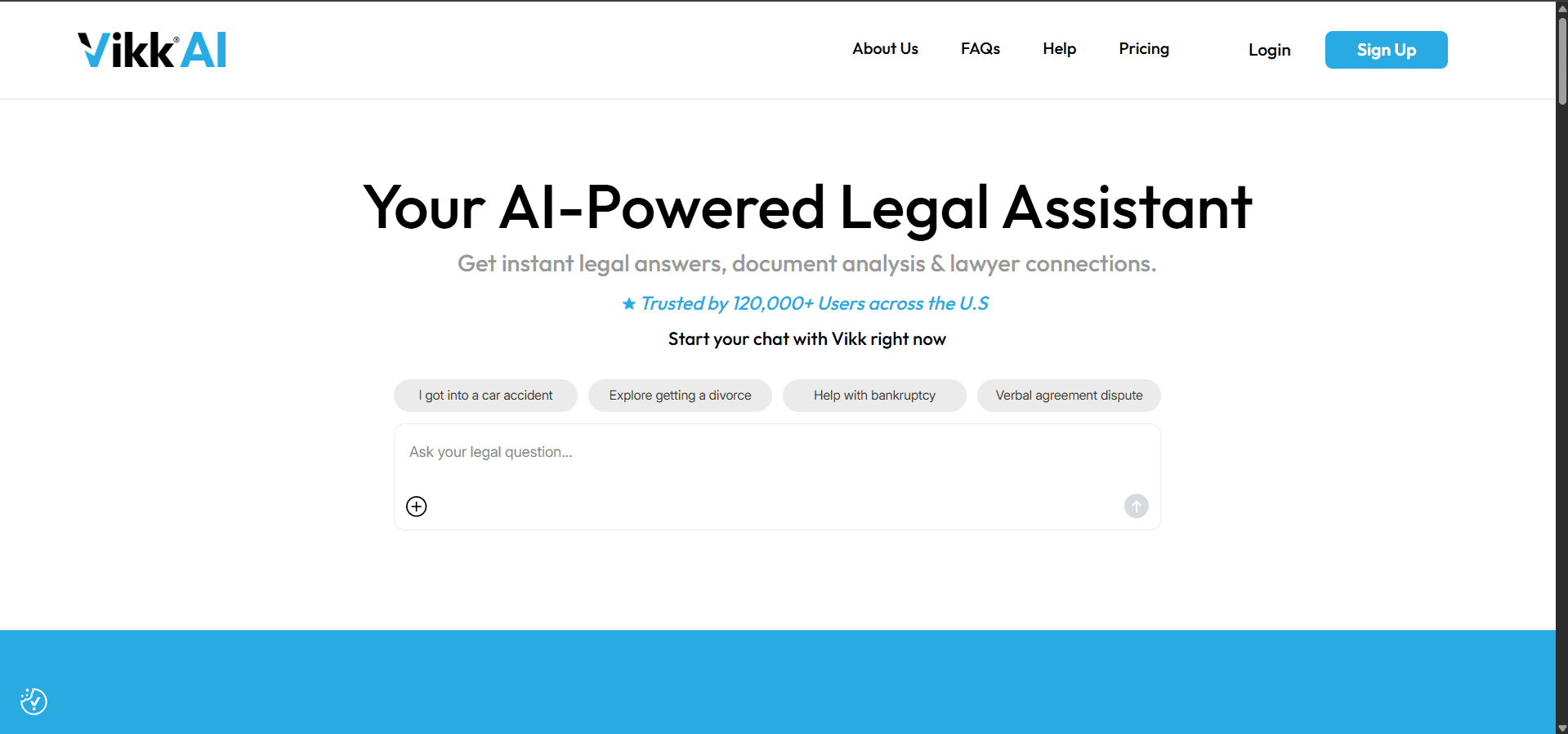
Vikk AI is a 24/7 AI-powered legal assistant that gives users instant, private legal guidance, analyzes their documents, and connects them with verified lawyers when needed. We helped build a conversational platform that delivers state-specific answers across dozens of legal categories and languages.
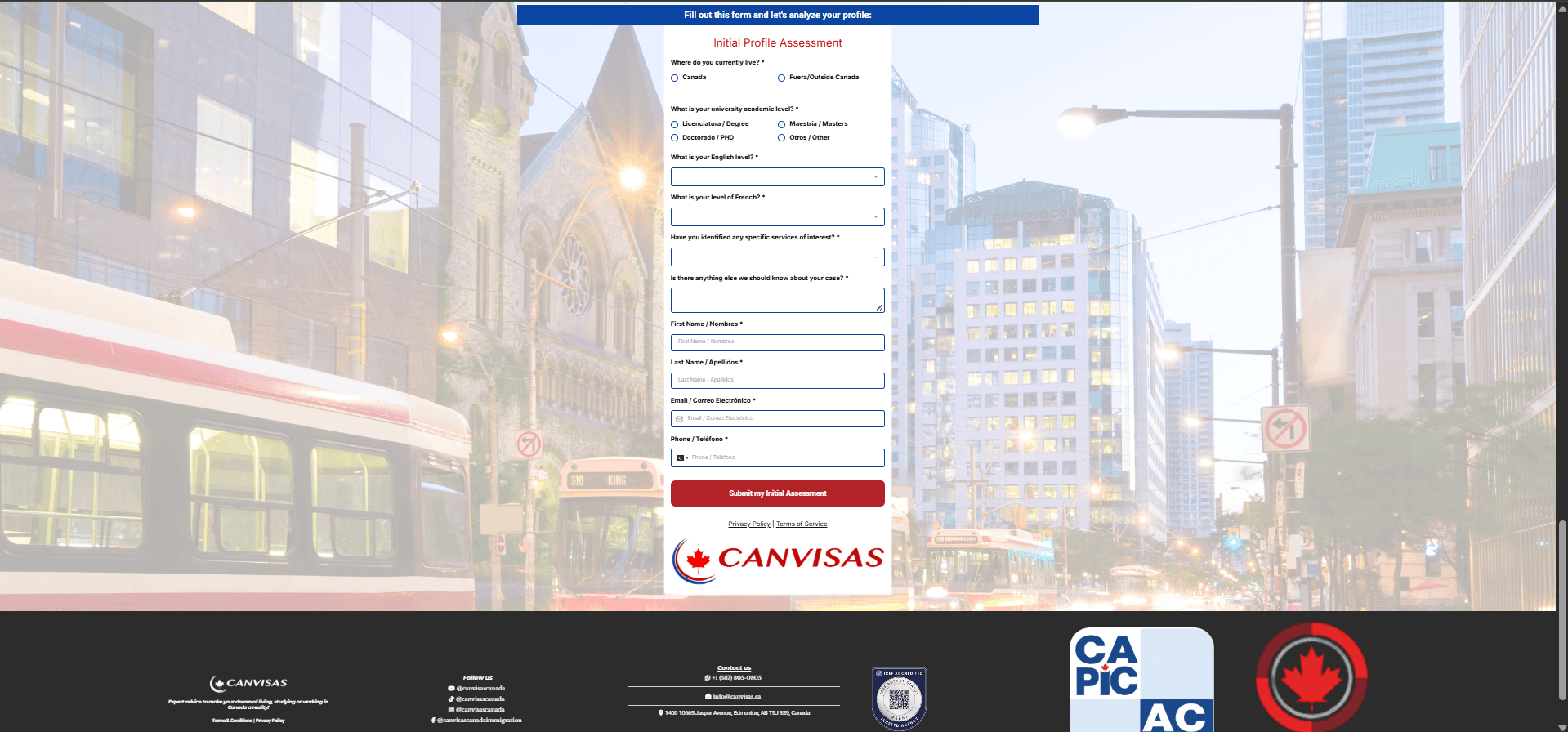
CanVisas AI is an intelligent chatbot that helps users check their eligibility for Canadian permanent residence through simple conversations. The chatbot asks pre-screening questions about immigration requirements and provides instant eligibility assessments. It qualifies leads by gathering important information before connecting them with the CanVisas team.
AA JoyLand Entertainment required an AI-powered solution to handle customer inquiries and leads more efficiently. The project focused on developing a WhatsApp chatbot powered by Retrieval-Augmented Generation (RAG) with GPT, capable of managing leads, qualifying them, and saving lead data. The chatbot provided instant responses, sent PDFs upon request, and significantly enhanced customer interaction.
Document data entry, freight invoice matching, order entry, procurement requests, POD processing, COD reconciliation and milestone alerts are the most common. Any high-volume task that follows rules is a good candidate.
Yes, with checks. Modern models extract fields consistently from PDFs and scans, and we validate them against your bookings and purchase orders. Low-confidence fields go to a person before anything is posted.
Partly. It can pull the data a declaration needs from shipper documents and pre-fill a draft, but your licensed broker or customs team should review and submit it. Classification decisions stay with them.
Yes. It matches each carrier invoice against the load and the agreed rate, then flags duplicates, unexpected accessorials and surcharge errors for your team to dispute or approve.
Yes. We integrate with SAP S/4HANA, Oracle NetSuite, Odoo and Microsoft Dynamics 365 through their APIs, and with most TMS platforms. Your team keeps working in the systems it already uses.
No. They keep emailing PDFs or sending photos on WhatsApp. The automation picks documents up from those channels, which is why adoption is usually easy.
Usually within the first workflow. We start with the document type or process that costs the most hours, then extend from there, and we estimate the impact for your volumes during discovery.
Voice agents for delivery status lines, COD confirmation, carrier check calls and driver dispatch, connected to your TMS and telematics.
Explore AI ChatbotsShipment tracking chatbots for web and WhatsApp that answer status questions, capture quote requests, rebook deliveries and help procurement teams.
Explore Custom AI DevelopmentCustom route optimization, AI demand forecasting models, warehouse slotting and computer vision, and AI features inside logistics platforms.
Explore AI Data AnalyticsSupply chain dashboards, fleet analytics, carrier scorecards, demand forecasting and inventory analytics from your ERP, TMS, WMS and telematics.
ExploreSend us a handful of real bills of lading or carrier invoices. We'll show you the extracted data and the mismatches it would have caught.