
"Where is my shipment?" all day long
Customer service and dispatch answer the same tracking question by phone, email and WhatsApp, even when the answer is already sitting in the TMS or the carrier's portal.

Freight forwarders, carriers, couriers and distributors lose whole days to tracking calls, check calls and retyped shipping documents. We build AI voice agents, WhatsApp chatbots, document automation and forecasting models that take that work off your coordinators and dispatchers.
Logistics runs on phone calls, WhatsApp messages and paperwork. Customers call to ask where their shipment is. Dispatchers phone drivers for ETAs. Brokers make check calls to carriers every few hours. Every container generates a bill of lading, a commercial invoice, a packing list and a customs declaration, and someone retypes them into the TMS or ERP. AI in logistics takes over this routine work. The Botss is a logistics AI development company that builds voice agents, chatbots, automation and custom models for freight forwarders, 3PLs, carriers, couriers and distributors, so your coordinators spend their time on the exceptions that actually need them.
We don't start from a product. We start from your lanes, your systems and your busiest queues. For a last-mile courier in Karachi or Riyadh, that might be a WhatsApp assistant that answers tracking questions and confirms cash-on-delivery orders before the rider leaves the hub. For a freight broker in the US, it might be a voice agent that runs carrier check calls and writes each update into the TMS. For a distributor, it might be automation that reads purchase orders from email and posts them into SAP, Odoo or NetSuite, or a forecasting model that tells procurement what to reorder and when.
Our closest shipped work comes from other industries, and the parts that matter carry over directly. For AA JoyLand we built a WhatsApp chatbot with an admin analytics panel, on the same channel your customers and drivers already use. For CanVisas we built a chatbot that qualifies enquiries and routes them to the right consultant, which is the pattern behind routing freight quote requests to the right desk. For Vikk we built document analysis on retrieval-augmented generation, the same approach that reads shipping documents. And IWMCRM, our AI-powered CRM for pharma distribution, already handles vendor, product and team management with predictive analytics.
We work with clients across the GCC, Pakistan, Europe and North America. Every system is designed around the data-protection rules that apply to driver and customer data where you operate, and it can be hosted in your own cloud and region.
Customer service and dispatch answer the same tracking question by phone, email and WhatsApp, even when the answer is already sitting in the TMS or the carrier's portal.
Brokers and dispatchers phone carriers and drivers for location and ETA, then type the answer in by hand. When an update is late, the customer hears about the delay before you do.
Bills of lading, commercial invoices, packing lists, customs declarations and proof of delivery arrive as PDFs, scans and phone photos. Rekeying them slows clearance and billing.
In Pakistan and the GCC, much of last-mile volume is cash on delivery. Unconfirmed orders, wrong addresses and refused parcels mean wasted trips, and rider cash reconciliation lives in spreadsheets.
Invoices rarely match the rate confirmation line for line. Detention, fuel surcharges and other accessorials get paid because checking every invoice by hand isn't realistic.
Demand, routes, warehouse slots and fleet use are planned on gut feel. Trucks run half empty on some lanes while other customers face stockouts and expensive expedited freight.
Voice agents for delivery status lines, COD confirmation, carrier check calls and driver dispatch, connected to your TMS and telematics.
Explore AI Voice Agents 02Shipment tracking chatbots for web and WhatsApp that answer status questions, capture quote requests, rebook deliveries and help procurement teams.
Explore AI Chatbots 03Freight document automation, invoice processing and freight audit, order entry and procurement workflows, with people approving the exceptions.
Explore AI Automation 04Custom route optimization, AI demand forecasting models, warehouse slotting and computer vision, and AI features inside logistics platforms.
Explore Custom AI Development 05Supply chain dashboards, fleet analytics, carrier scorecards, demand forecasting and inventory analytics from your ERP, TMS, WMS and telematics.
Explore AI Data AnalyticsA voice agent calls drivers and carriers for location, ETA and pickup confirmation, and writes the answers straight into your TMS.
Customers send a tracking number and get the latest status and ETA instantly, in English, Arabic, Urdu or their own language.
Calls and messages confirm cash-on-delivery orders before dispatch and rebook missed deliveries with a corrected address or time slot.
Collects origin, destination, weight, dimensions and service level, then sends qualified quote requests to the right sales or pricing desk.
Reads bills of lading, commercial invoices, packing lists and proof of delivery and posts the data into your TMS or ERP.
Matches carrier invoices against bookings and rate confirmations and flags surcharges or charges that don't match before you pay.
AI for supply chain planning that predicts demand by SKU and location so procurement orders the right quantity at the right time.
Plans routes around delivery windows, vehicle capacity and driver shifts, and shows which trucks sit idle or run empty.
AA JoyLand Entertainment required an AI-powered solution to handle customer inquiries and leads more efficiently. The project focused on developing a WhatsApp chatbot powered by Retrieval-Augmented Generation (RAG) with GPT, capable of managing leads, qualifying them, and saving lead data. The chatbot provided instant responses, sent PDFs upon request, and significantly enhanced customer interaction.
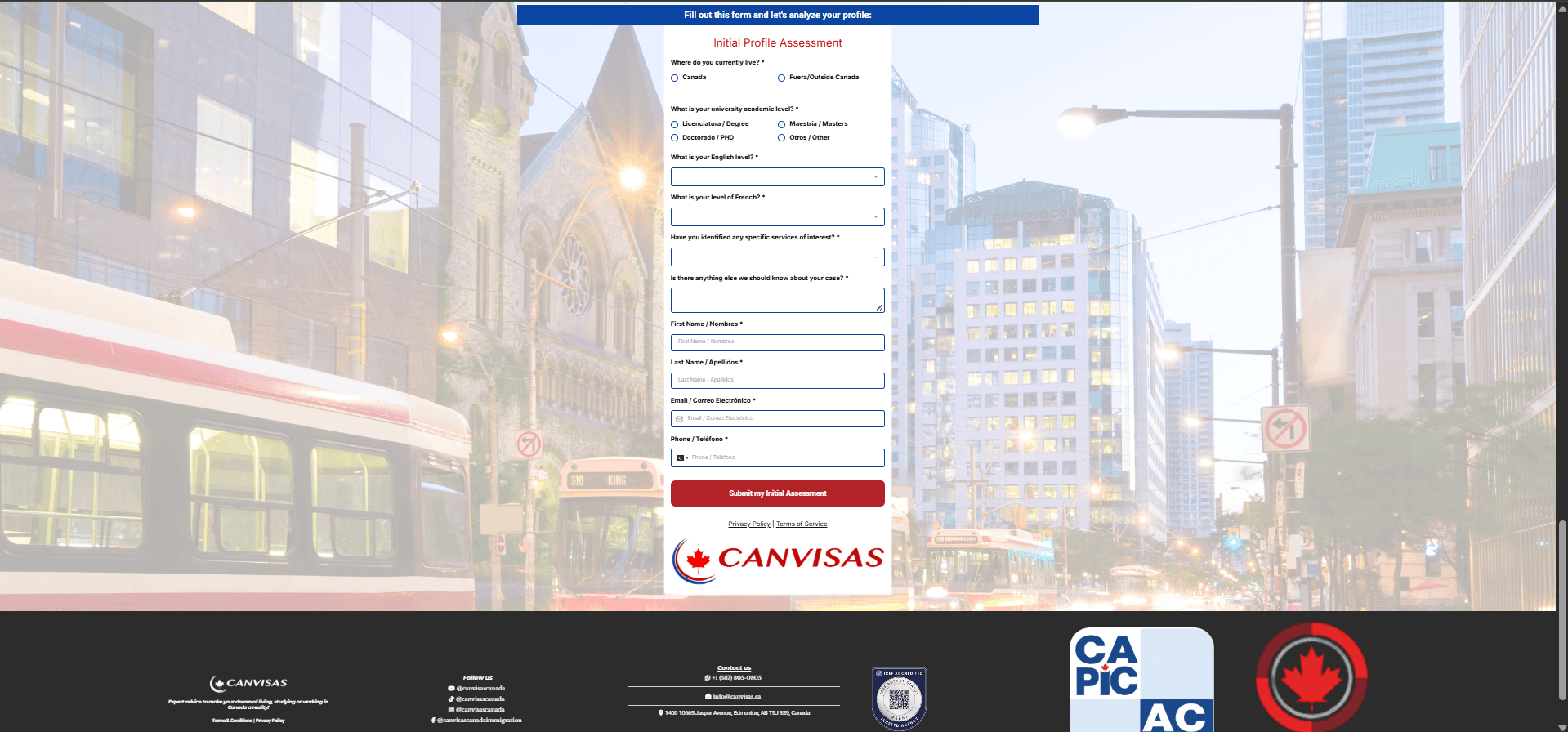
CanVisas AI is an intelligent chatbot that helps users check their eligibility for Canadian permanent residence through simple conversations. The chatbot asks pre-screening questions about immigration requirements and provides instant eligibility assessments. It qualifies leads by gathering important information before connecting them with the CanVisas team.
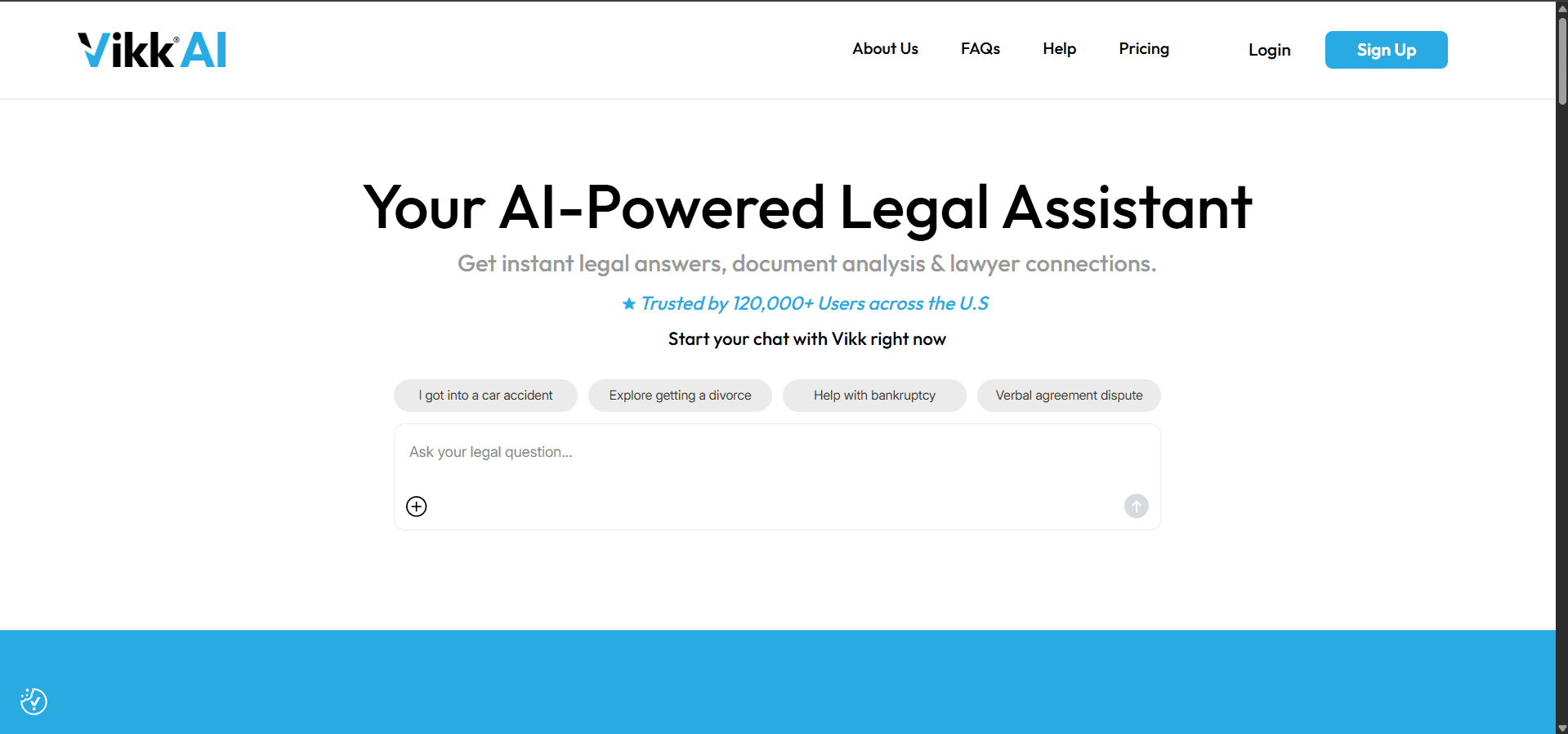
Vikk AI is a 24/7 AI-powered legal assistant that gives users instant, private legal guidance, analyzes their documents, and connects them with verified lawyers when needed. We helped build a conversational platform that delivers state-specific answers across dozens of legal categories and languages.
Drivers, customers and suppliers already use the phone, WhatsApp and email. We put the AI there instead of asking anyone to install a new app.
We integrate with SAP, NetSuite, Odoo, Dynamics 365, your TMS and telematics through their APIs and webhooks, so your teams keep the tools they know.
AI takes the routine calls, messages and documents. Damaged freight, rate negotiations and angry customers go to your staff with the full context attached.
Driver locations and customer addresses are personal data. We design for GDPR, the UAE and Saudi PDPL, and TCPA consent rules for US outbound calls, with access controls and audit logs.
Your AI can speak with a driver in Urdu, a consignee in Arabic and a shipper in English, and switch language mid-conversation.
Code, models and data stay yours, with 100% IP ownership and hosting in your own cloud or region. No lock-in to our platform.
Mostly to take repetitive work off people. The common uses are answering tracking calls and messages, running check calls, reading shipping documents, auditing freight invoices, forecasting demand and optimizing routes. Supply chain AI software also flags shipments that are about to miss a milestone so your team can act early.
Yes. A voice agent or chatbot takes the tracking number, looks it up in your TMS, courier system or visibility platform and gives the current status and ETA. If the shipment has an exception, it explains what happens next or hands the customer to your team.
No. It handles the routine calls, messages and data entry so the same team can manage more shipments. Decisions that need judgment, such as rerouting a load or settling a claim, stay with your people.
Usually, yes. We connect through APIs and webhooks for systems like SAP S/4HANA, Oracle NetSuite, Odoo, Microsoft Dynamics 365 and most modern TMS and WMS platforms. Where there's no API, we use secure file or database integrations, and we confirm what's possible before the build starts.
Yes. Language and vision models extract fields like shipper, consignee, container number, HS codes, weights and charges from PDFs, scans and phone photos. Anything low-confidence goes to a person to check before it's posted.
It can be, if the system is built for it. We encrypt data, restrict access by role, log every action and can host in your own cloud and region. We design to support GDPR in Europe and the PDPL in the UAE and Saudi Arabia.
Yes. Our voice agents and chatbots support English, Arabic, Urdu and many other languages, which matters for driver and rider networks in Pakistan and the Gulf.
Usually with the busiest repetitive queue: tracking enquiries, check calls or document entry. One focused system there shows results quickly and gives you clean data for the next step, such as forecasting or route planning.
It depends on scope. Focused chatbots like our CanVisas and Estraha builds went live in three to four weeks. Deeper TMS integration, document automation or a custom forecasting model takes longer, and we give you a timeline after discovery.
It depends on the use case, your shipment and call volumes, and how many systems it connects to. We scope each project and give a fixed quote after discovery. Book a call and we'll outline a realistic first phase.
Tell us which calls, messages or documents eat the most hours. We'll show you which AI system pays off first and what it takes to build.