Software, SaaS & Tech Startups

AI Development for Startups & SaaS Companies

Investors want to see AI in the product, customers want it to work, and your engineers are already busy shipping the core roadmap. We build AI MVPs, in-app assistants, voice features, AI agents and analytics for startups and SaaS teams, and you keep all of the IP.

Overview

AI development for startups that ships to real users

Every founder is getting the same question from investors and customers: where is the AI? You have a roadmap, a small engineering team already stretched on the core product, and maybe a prototype someone wired up to an OpenAI key over a weekend. Getting from that prototype to a feature paying customers trust is the hard part. The Botss does AI development for startups and SaaS companies. We design, build and ship AI MVPs, in-app assistants, voice features, AI agents and analytics, then hand over a codebase your own team can run.

The gap between a demo and a product is where most AI work stalls. Answers that are wrong one time in twenty. Responses slow enough that users close the tab. An LLM bill that grows faster than revenue. One tenant's documents turning up in another tenant's answers. An enterprise prospect sending a security questionnaire nobody can fill in. We build for those problems from the first sprint: retrieval over customer data with strict tenant isolation, evaluation sets that catch hallucinations before a release, model routing and caching to keep cost per request in check, and the access controls and audit logs that SOC 2 auditors look for.

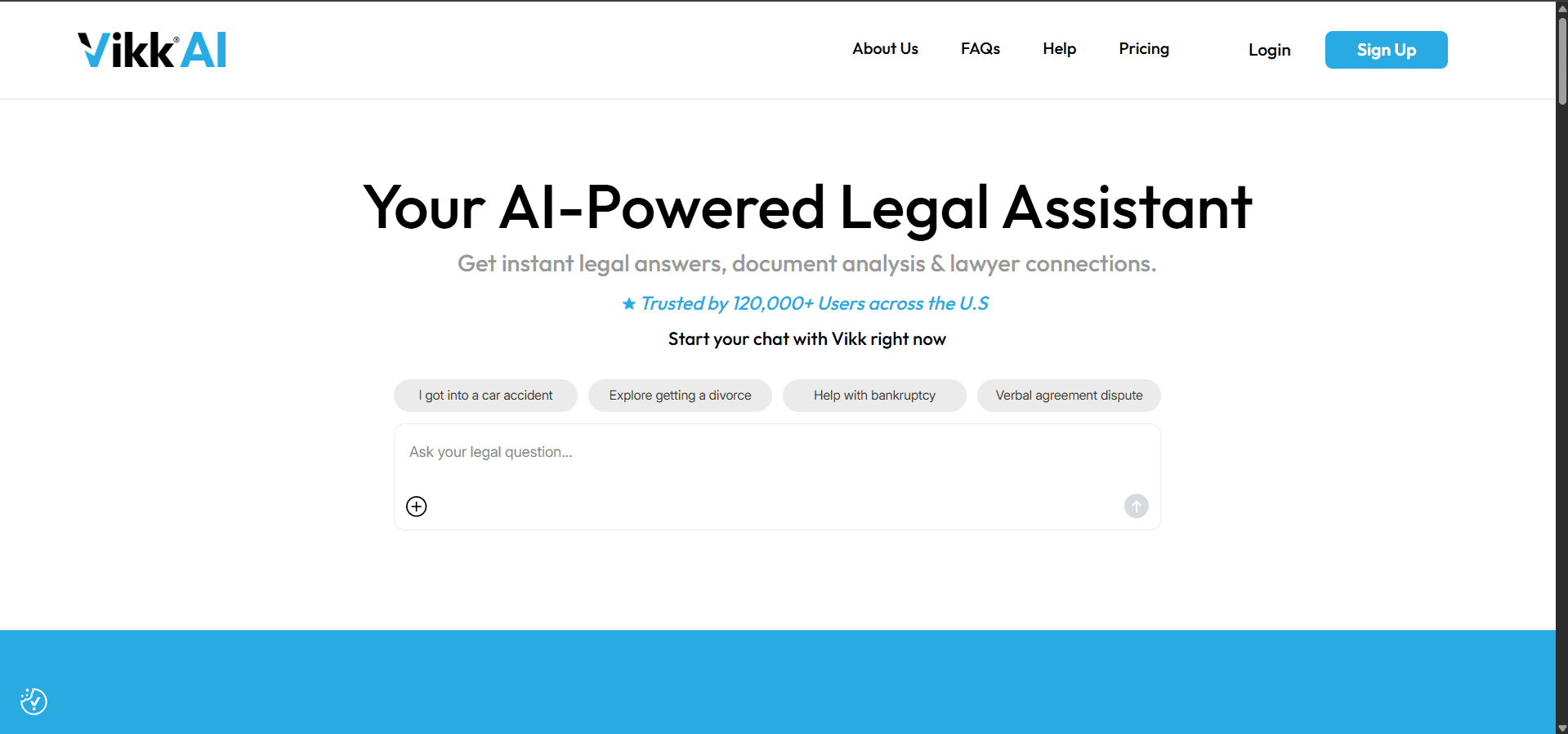
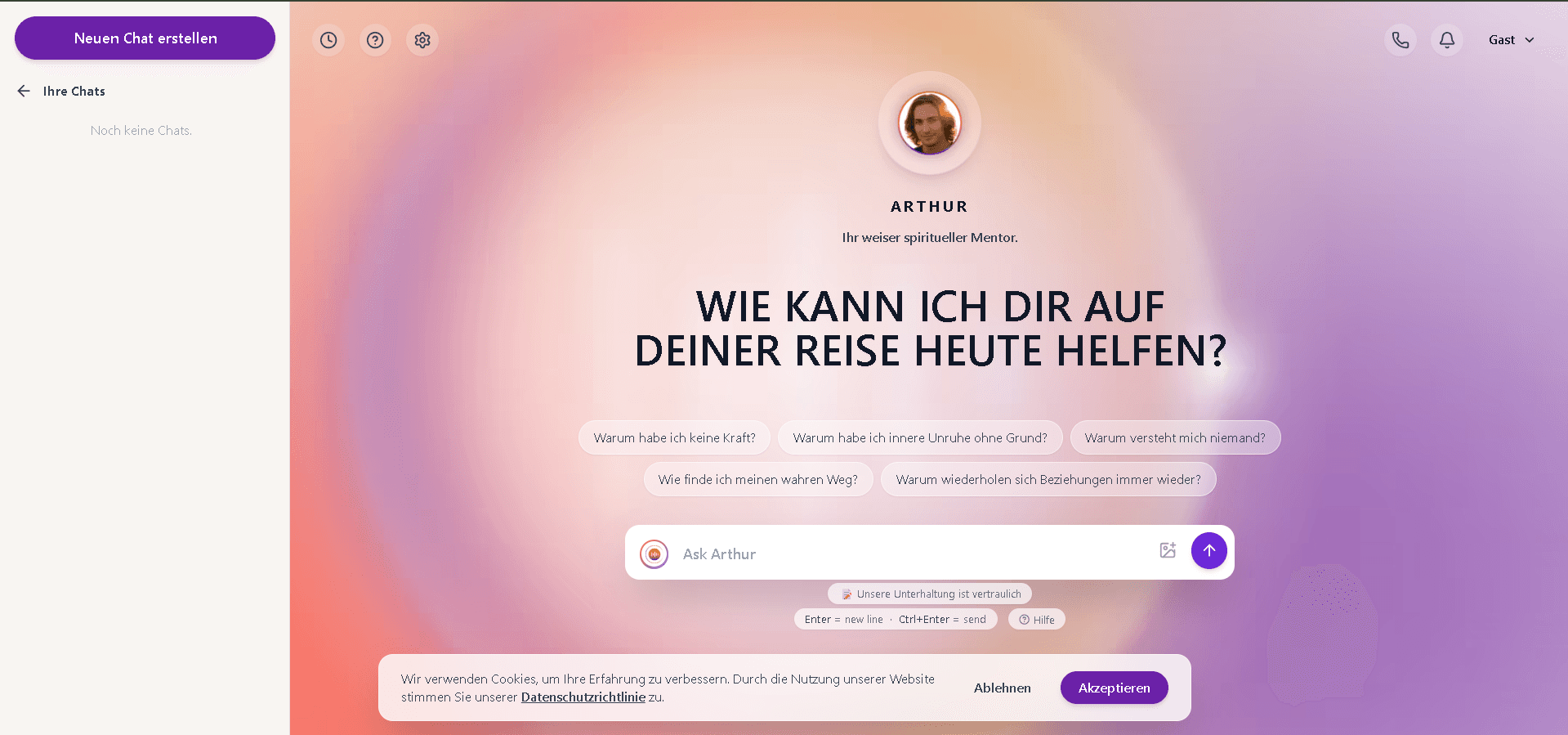
We have done this for products with real users. Vikk, an AI legal assistant built on LLMs, RAG and a multi-agent design, went from kickoff to MVP in six weeks and now serves 120,000+ users in 30+ languages. Arthur is a text and real-time voice AI coach that works in English and German. Medsuccour reached a working deep-learning MVP in about twelve weeks. We also build and run SaaS of our own: Commify.ai, an AI platform for e-commerce whose site lists 2,400+ active stores, and IWMCRM, an AI CRM for pharma distribution.

You can hire us for a fixed-scope build or as a dedicated team that works inside your sprints. Our engineers are based in Karachi, with a registered office in the UAE. That usually costs less than hiring senior AI engineers in London or San Francisco, and gives you working-hour overlap with the GCC and Europe. You keep 100% of the IP: code, prompts, evaluation sets and any fine-tuned models.


The problem

SaaS challenges we solve

01

AI on the roadmap, no AI engineers on the team

Engineers who have shipped LLM features in production are scarce and expensive. Recruiting one can take months your runway doesn't cover, and one hire rarely covers models, retrieval, backend and evaluation.

02

Prototypes that break on real users

A single-prompt demo works in the pitch meeting. Then it meets messy customer documents, edge-case questions and real traffic, and starts making things up or timing out.

03

LLM costs and latency that scale badly

Every request goes to the largest model. Token spend climbs with each new customer, gross margin shrinks, and users wait long enough to notice.

04

Customer data and tenant isolation

RAG over customer data is only safe if one tenant can never retrieve another's files. Permissions in the retrieval layer are easy to get wrong and expensive to fix after launch.

05

Enterprise security reviews

Larger buyers send SOC 2 questionnaires, ask for GDPR data-processing agreements and want to know which model providers see their data. Deals stall while you work out the answers.

06

Support and success that grow with headcount

Each new cohort of signups brings the same how-do-I tickets. Customer success can't reach every account, so the quiet ones churn before anyone notices.

What we build

AI services for Software, SaaS & Tech Startups

Use cases

AI use cases in SaaS

AI MVP for investors and pilots

A working AI product, not a slide, that pilot customers can log into and investors can try. Scoped to the one workflow that proves the idea.

In-app copilot

An assistant inside your product that drafts, explains, fills forms and answers questions using the user's own data and permissions.

Support deflection and onboarding

An AI support chatbot answers from your docs and help center, walks new users through setup and hands real issues to your team in Intercom or Zendesk.

Semantic search and summarization

Search that understands meaning across tickets, documents and records, plus summaries of long threads, calls and reports.

AI agents that take actions

Agents that call your APIs to create records, update settings, run reports or trigger workflows, with approval steps where the stakes are high.

Voice features in your app

Real-time voice conversations for coaching, sales, support or hands-free use, built on streaming speech and your product's own logic.

Customer-success automation

Usage signals trigger check-ins, renewal prep and expansion prompts, so your CS team spends time on accounts that need a human.

Churn prediction and product analytics

Models that flag accounts likely to cancel, and dashboards that show which features drive activation, retention and AI cost per customer.

Our work

Proven Startup & SaaS Work

Why The Botss

Why SaaS teams choose us

Production engineering, not demos

Evaluation sets, monitoring, fallbacks and rate limits are part of the build. Vikk went from MVP to 120,000+ users on that kind of foundation.

Ready for enterprise buyers

We build with the controls SOC 2 auditors look for, support GDPR data-processing agreements and keep records that help with EU AI Act obligations for products sold into the EU.

Unit economics you can defend

Model routing, prompt caching and smaller models for simple tasks keep cost per request and latency under control as usage grows.

Flexible ways to work

Fixed-scope MVP, an ongoing dedicated team, or engineers who join your standups as staff augmentation. You choose what fits your stage.

Cost-efficient, with time-zone overlap

A Karachi-based engineering team gives you senior AI skills at a lower cost than most Western hires, with shared hours across the GCC and Europe and scheduled overlap with US teams.

You own everything

Code, prompts, evaluation data and trained models are yours. No platform lock-in, and you can run it in your own cloud account.

(Process)

How we deliver AI projects

  1. 01Discovery & use-case mappingWe map your workflows, data and compliance constraints, then rank AI use cases by impact and effort.
  2. 02Data & integration auditWe check the systems the solution must read from and write to, and how clean that data really is.
  3. 03Working prototypeA pilot on your real data in weeks, so you judge results before committing to a full build.
  4. 04Build, integrate & testProduction engineering, security hardening and testing against real conversations and edge cases.
  5. 05Launch & team trainingPhased rollout with your staff trained on handoffs, dashboards and overrides.
  6. 06Monitor & improveWe track accuracy, adoption and ROI after launch and keep tuning the system as your business changes.
FAQ

AI in SaaS: FAQs

How much does it cost to build an AI MVP?

It depends on scope. The main drivers are how many workflows the MVP covers, whether it needs RAG over customer data or custom models, the number of integrations and your security requirements. We give a fixed quote after a short discovery, so book a call and we'll outline a realistic first version.

How long does AI MVP development take?

Usually weeks, not months. Vikk's AI legal assistant reached MVP in six weeks, a focused chatbot like CanVisas shipped in three, and Medsuccour's deep-learning model took about twelve. We set the timeline once the scope is clear.

Can you add AI to an existing SaaS product?

Yes. Most of our work is adding AI features such as copilots, semantic search, summarization and agents to products that already have users. We work in your codebase and through your APIs, and follow your team's review and deployment process.

Should we hire AI engineers or work with an AI development company?

It depends on how central AI is to your product and how fast you need it. Hiring takes time and one engineer rarely covers everything an AI feature needs. Many teams start with us for the first build, then keep a dedicated team or bring the work in-house with a full handover.

Can AI hallucinations be prevented?

Not entirely, but they can be controlled. We ground answers in your data with RAG, constrain outputs with structured formats and validation, and run evaluation sets on every release so regressions are caught before users see them.

Is it safe to send customer data to OpenAI, Claude or Gemini?

Usually, with the right setup. The major providers' business APIs offer terms under which your data isn't used to train their models, and we add tenant isolation, redaction of sensitive fields and regional hosting where your customers require it.

Can you help us get through a SOC 2 audit?

We can make the AI part easier to audit. We build with access controls, encryption, logging and change management that auditors look for, and document how data flows to model providers. The audit itself is between your company and your auditor.

Do you offer dedicated AI teams or staff augmentation?

Yes. You can engage us for a fixed-scope project, a dedicated team that owns an AI roadmap, or individual engineers who join your sprints and work in your tools.

Is outsourcing AI development to Pakistan a good idea?

It can be, if the team has shipped real products. Pakistan has a large software engineering workforce, Karachi is one hour ahead of Dubai and three to four hours ahead of Central Europe, and the cost is usually lower than equivalent hires in the US or UK. Judge any vendor on live products, not slides.

Who owns the code and models you build?

You do. You keep 100% of the IP, including source code, prompts, evaluation sets and any fine-tuned model weights.

Stop demoing AI. Start shipping it.

Tell us what your product does and where AI should fit. We'll show you the smallest version worth building and what it takes to get it in front of users.