
Medical imaging analysis
Computer-vision models for CT, X-ray, MRI or dermatology images that detect, localize and prioritize findings.

From medical imaging models to healthtech MVPs, we design, train and ship custom AI for healthcare and pharma, built to clinical-grade engineering standards.
Some problems need more than an off-the-shelf tool. A radiology group wants software that pre-screens scans. A healthtech startup needs an AI MVP that investors and pilot hospitals can actually use. A pharma company wants to mine years of research documents. These call for custom healthcare AI development: models trained or tuned on your data, wrapped in software clinicians can use, and engineered so they keep working once real patients are involved.
We have done exactly this. For Medsuccour we built a deep-learning computer-vision system that analyzes head CT scans, detects brain injuries and shows where they are located. Specialists spend 15 to 20 minutes on a manual read; the model returns a report in seconds, helping teams prioritize critical patients. The project went from concept to working MVP in about twelve weeks.
Our healthcare AI software development covers the whole path: data assessment and labelling strategy, model selection or training, evaluation against clinical metrics, user interface, integration with PACS, EHR or your own platform, and secure deployment. We are clear about what AI can and can't do. Models assist clinicians; they don't replace clinical judgment. Where your product is headed for regulated use, we build with documentation and traceability that support your regulatory pathway.
Computer-vision models for CT, X-ray, MRI or dermatology images that detect, localize and prioritize findings.
Extract diagnoses, medications and outcomes from free-text notes, discharge summaries and reports.
Take an AI product idea to a working, demo-ready MVP for investors, pilots and first customers.
LLM tools that search and summarize research papers, trial documents and internal reports.
Predict readmission, no-show or deterioration risk from historical data to target interventions.
Add AI capabilities such as summarization, search and prediction to your current healthcare platform.
Detection, segmentation and classification models for medical images.
Language AI grounded in medical and company documents, with guardrails.
Testing against metrics and edge cases that matter for clinical use, not just overall accuracy.
De-identification, secure training environments and data that never leaves your control.
Model, backend, web or mobile app and integrations, delivered by one team.
You own the code, models and trained weights.
Using something else? If it has an API, a database or a webhook, we can connect to it.
AI pre-screening and prioritization cut time to the cases that need attention most.
MVPs built to production standards rather than throwaway prototypes.
Custom models trained on your data do things generic tools can't.
Owning your AI avoids per-seat fees for capabilities at the core of your product.
Medsuccour is an AI-powered project designed to revolutionize the diagnosis of traumatic brain injuries through rapid and accurate analysis of CT scans. Given that every minute counts after a head trauma, our model drastically reduces the time required to detect and localize brain injuries, generating detailed reports in seconds.
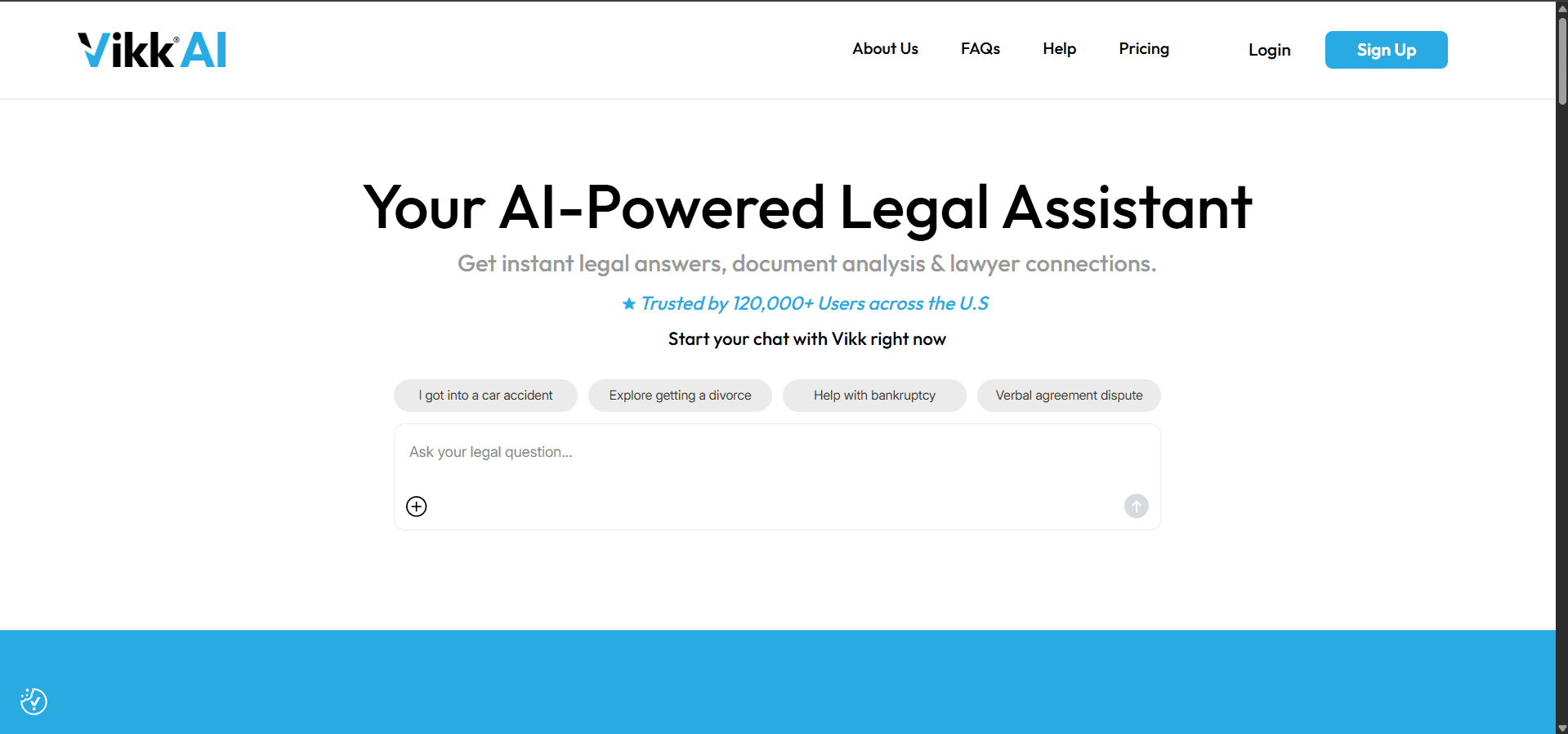
Vikk AI is a 24/7 AI-powered legal assistant that gives users instant, private legal guidance, analyzes their documents, and connects them with verified lawyers when needed. We helped build a conversational platform that delivers state-specific answers across dozens of legal categories and languages.
Yes. We built Medsuccour's deep-learning system that detects and localizes brain injuries on CT scans. We develop detection, segmentation and classification models for other imaging types too.
It depends on the task. Fine-tuning existing models can need far less data than training from scratch, and we assess what you have and recommend the most data-efficient approach before any build.
It depends on how it's used and where. Software that informs diagnosis is often regulated as a medical device. We build with the documentation and traceability your regulatory pathway needs and work alongside your regulatory advisers.
Yes. We take AI product ideas to working MVPs with the model, app and backend included, so founders can run pilots and raise funding on a real product.
You do. You keep 100% of the intellectual property, including trained model weights.
Medsuccour took about twelve weeks to a working MVP. Smaller AI features can ship faster, and larger platforms take longer. We set milestones after discovery.
AI receptionists that answer patient calls 24/7, book and reschedule appointments, send reminders and route clinical questions to staff.
Explore AI ChatbotsPatient-facing chatbots for websites and WhatsApp that answer questions, book appointments and collect intake, trained on your approved content.
Explore AI AutomationWorkflow automation for intake, claims, prior authorizations, clinical documentation and pharma order processing, with humans approving exceptions.
Explore AI Data AnalyticsDashboards, predictive models and pharma sales analytics that turn EHR, billing and CRM data into decisions.
ExploreBring the problem and the data you have. We'll tell you honestly what's feasible, how long it takes and what it will deliver.